The patient starts from zero.
Every doctor change erases the history. Diagnoses, allergies, prior studies — retold from memory.
A personal vault that travels with you. Prescriptions, studies, images, and diagnoses in one place — independent of any clinic.


It isn't a software failure. It's a structural one: information slips between clinics, formats, and memories.
Every doctor change erases the history. Diagnoses, allergies, prior studies — retold from memory.
Notes scattered across notebooks, files, and systems that don't talk to each other. Every consultation re-captures the patient.
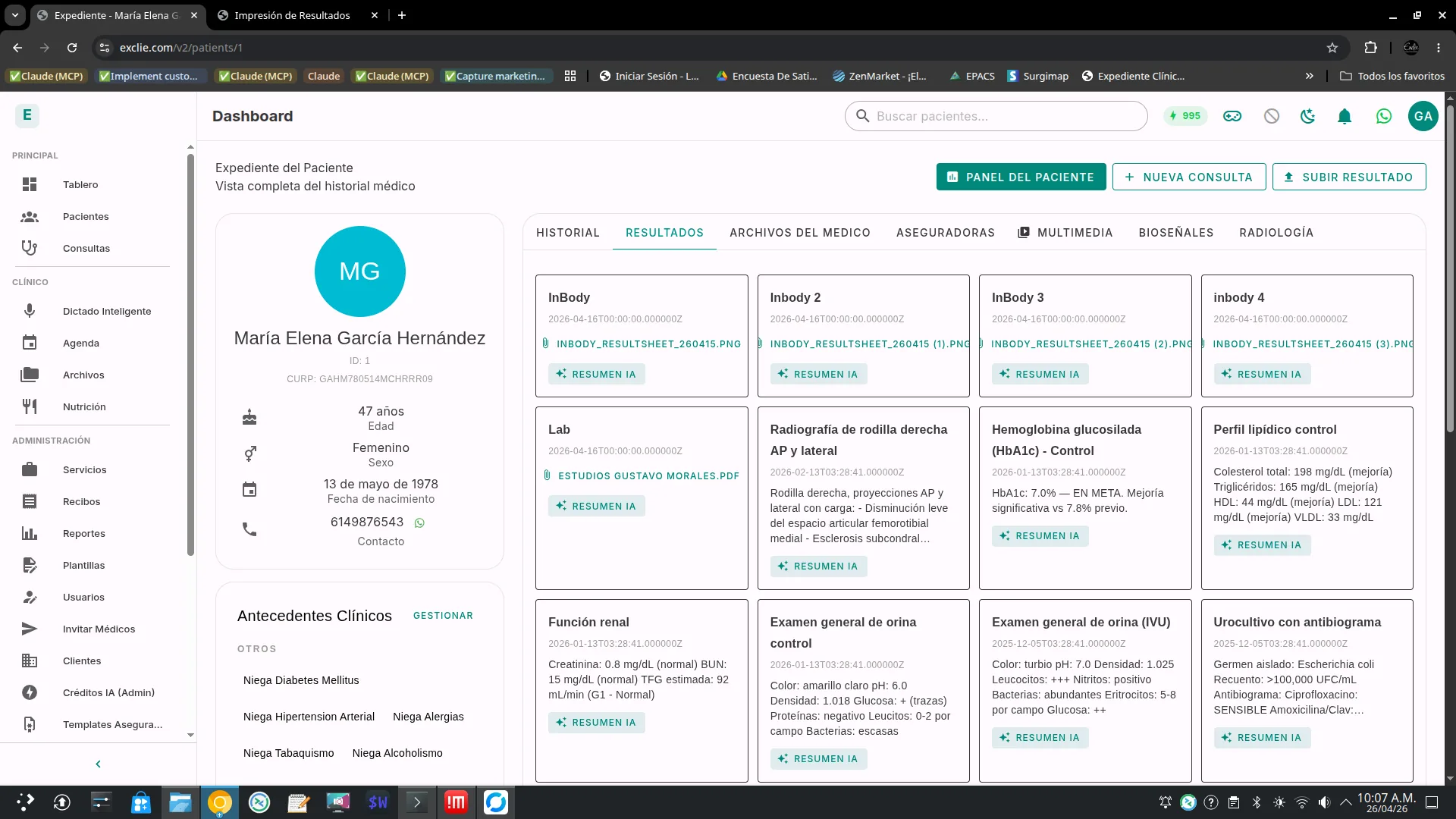
Lab results in PDFs. Images sent over WhatsApp. Disconnected systems. Clinical truth fragments.
The doctor documents once, in a structured clinical workflow. The patient keeps their history forever, in a vault that doesn't depend on any clinic.
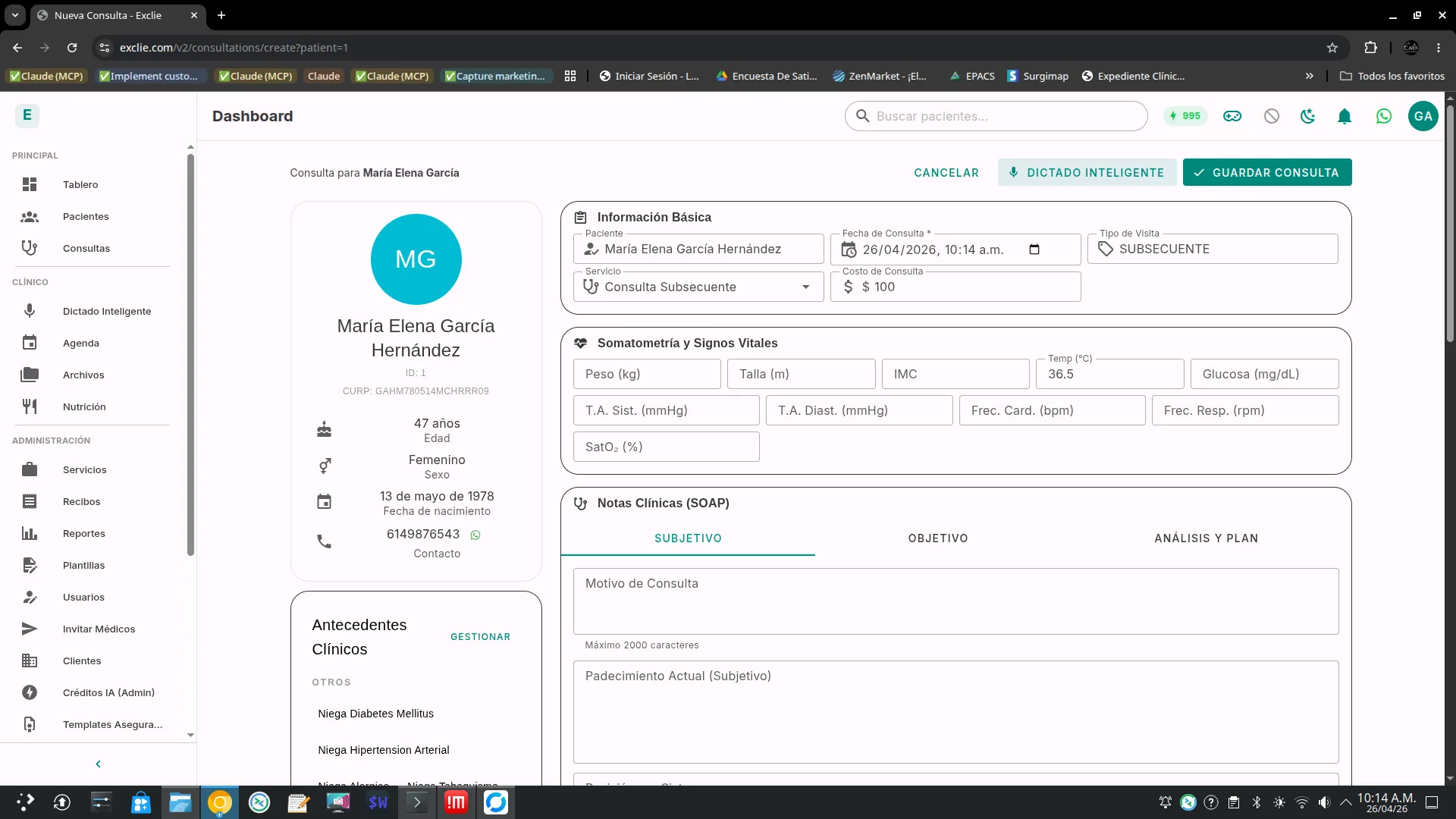
A serious, traceable clinical workflow that adapts to how you work. No re-captures. No friction.
A personal vault that travels with you. Independent of any clinic, doctor, or system.
継 (kei) is the Japanese kanji that means to continue, to succeed, to inherit. It describes what passes from one hand to another without breaking: a lineage, a craft, a story.
We chose it because it captures exactly what a medical record should do, and almost never does: continue. From one doctor to the next. From the clinic to home. From one decade to the next. Without re-capturing, without losing, without asking permission.
The record doesn't belong to the system that stored it. It belongs to the patient who lived it. 継 is that thread.
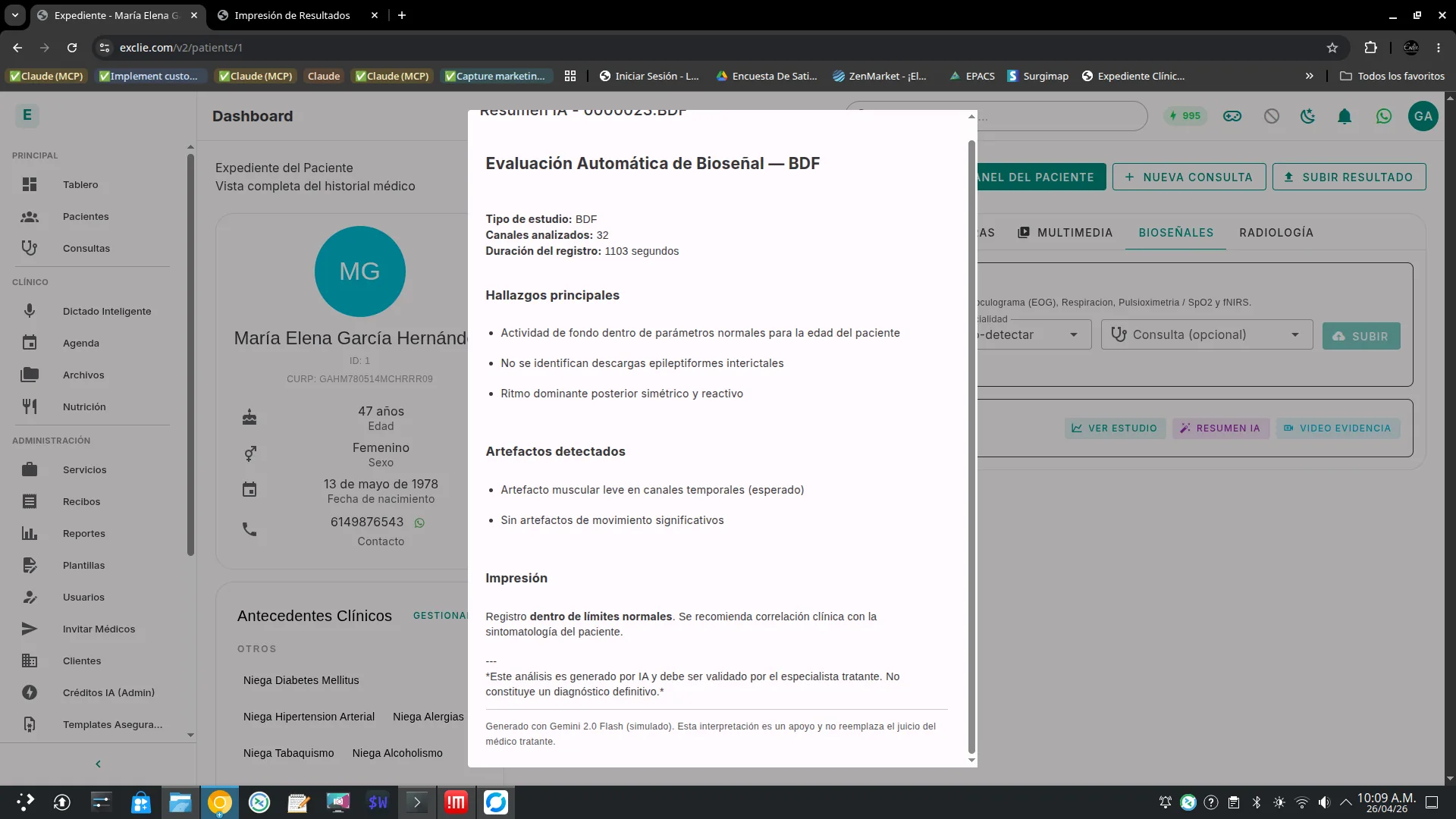
These aren't mockups. They're real screenshots of the system in production, serving patients and consultations every day.

This month's consultations, pending reviews, and active follow-ups. The whole clinical day in one view.
We've found no public, verifiable evidence of another EMR in Latin America that converges these capabilities in a single product.
Figures from the system in production, not projections.
Every architectural decision is guided by a regulatory framework and an auditability principle.
// Architecture ready for HIPAA, PIPEDA, and APPI.
It isn't a promotion. It's a stance. Exclie charges when there's real infrastructure to sustain: heavy storage, clinical processing, integrations. The Vault, never.
Four fronts that need financial muscle to sustain the free Vault and the open standard.